Skip to content
  • Solutions
    Biometrics for OEM
    Government ID &
    Phygital Identity
    Explore more

    • Biometric Platform for ID Issuance
    • Voter Management Platform
    Biometrics for OEM
    Border Control &
    Passenger Facilitation
    Explore more

    • Border Control Platform
    • Smart Corridors & eGates
    Biometrics for OEM
    Criminal Justice &
    Law Enforcement
    Explore more

    • ABIS for Criminal Investigation
    Biometrics for OEM
    Enterprise Identity
    Verification
    Explore more

      • For Enterprises
      • For System Integrators
    • Identity Verification Service
    • Identity Verification Toolkit
    Biometrics for OEM
    Embedded Biometrics Biometrics for your devices and solutions
    Explore more
  • Technology
    Core Biometric Technology
    • Biometrics for OEM Fingerprint Recognition
    • Biometrics for OEM Facial Recognition
    • Biometrics for OEM Iris Recognition
    • Biometrics for OEM Contactless Palm Recognition
    Biometric Identity Verification
    • Biometrics for OEM Biometric Face Verification
    • Biometrics for OEM Age Estimation
    • Biometrics for OEM Liveness detection
    • Biometrics for OEM Deepfake Detection
    • Biometrics for OEM Video Injection Detection
    • Biometrics for OEM Identity Document Verification
    • Biometrics for OEM NFC Verification
  • Resources
    • Downloads & Webinars
    • For Developers
    • Industry insights
  • News
    Latest news
    The Most Biometric Building in the World.
    Enter here Innovatrics Biometric Building
    Innovatrics Advances to First Place in NIST FATE AEV Composite
    Innovatrics Advances to First Place in NIST FATE AEV Composite Read more
    innovatrics masterclass panama
    Innovatrics Masterclass Panama Brings Hands-On ABIS Training to Latin America Read more

    Show all news
  • References
    Government
    Multi‑Tenant Biometric ID Platform Transforms Healthcare in Congo
    Republic of Congo | Government Multi‑Tenant Biometric ID Platform Transforms Healthcare in Congo Read more
    Remote Identity Verification Modernizes National Pension Fund Management
    South-East Asia | Government Remote Identity Verification Modernizes National Pension Fund Management Read more
    Enterprise
    Innovatrics identity verification service for autonomous stores
    Slovakia | Enterprise COOP Jednota Secures Unstaffed Stores With Identity Verification Read more
    Innovatrics identity verification service
    EU | Enterprise DigiSign Builds a Universal ID Verification Layer for Digital Signing Read more

    Show all references
  • About Us
    Next Event
    EXHIBITOR

    World Police Summit 2026

    When

    16 - 18 November 2026

    Where

    World Police Summit 2026Dubai, United Arab Emirates

    Show all events
    • About Us
    • Careers
    • Events
    • Benchmarks & Certificates
    • Biometric Ventures
    • Biometrics House
  • Contact Us
  • Partners
  • Solutions
    • Government ID & Phygital Identity
      Government ID &
      Phygital Identity
      Explore more

      • Biometric Platform for ID Issuance
      • Voter Management Platform
    • Border Control & Passenger Facilitation
      Border Control &
      Passenger Facilitation
      Explore more

      • Border Control Platform
      • Smart Corridors & eGates
    • Criminal Justice & Law Enforcement
      Criminal Justice &
      Law Enforcement
      Explore more

      • ABIS for Criminal Investigation
    • Enterprise Identity Verification
      Enterprise Identity
      Verification
      Explore more

        • For Enterprises
        • For System Integrators
      • Identity Verification Service
      • Identity Verification Toolkit
    • Embedded Biometrics
      Embedded Biometrics
      Explore more
  • Technology
    • Core Biometric Technology
    • Fingerprint RecognitionFingerprint Recognition
    • Facial RecognitionFacial Recognition
    • Iris RecognitionIris Recognition
    • Contactless Palm RecognitionContactless Palm Recognition
    • Biometric Identity Verification
    • Biometric Face VerificationBiometric Face Verification
    • Age EstimationAge Estimation
    • Liveness detectionLiveness detection
    • Deepfake DetectionDeepfake Detection
    • Video Injection DetectionVideo Injection Detection
    • Identity Document VerificationIdentity Document Verification
    • NFC VerificationNFC Verification
  • Resources
    • Downloads & Webinars
    • For Developers
    • Industry insights
  • News
  • References
  • About Us
    • About Us
    • Careers
    • Events
    • Benchmarks & Certificates
    • Biometric Ventures
    • Biometrics House
  • Contact Us
  • Partners
4. February 2025

Scars, Marks & Tattoos in Criminal ABIS: A Gamechanger for Law Enforcement

Biometric identification is a crucial tool in modern law enforcement. Automated Biometric Identification Systems (ABIS) have transformed criminal investigations by providing fast and accurate biometric identification. While fingerprints and facial recognition remain the most commonly used biometric identifiers, additional traits—often referred to as soft biometrics—enhance the accuracy and reliability of identification efforts.

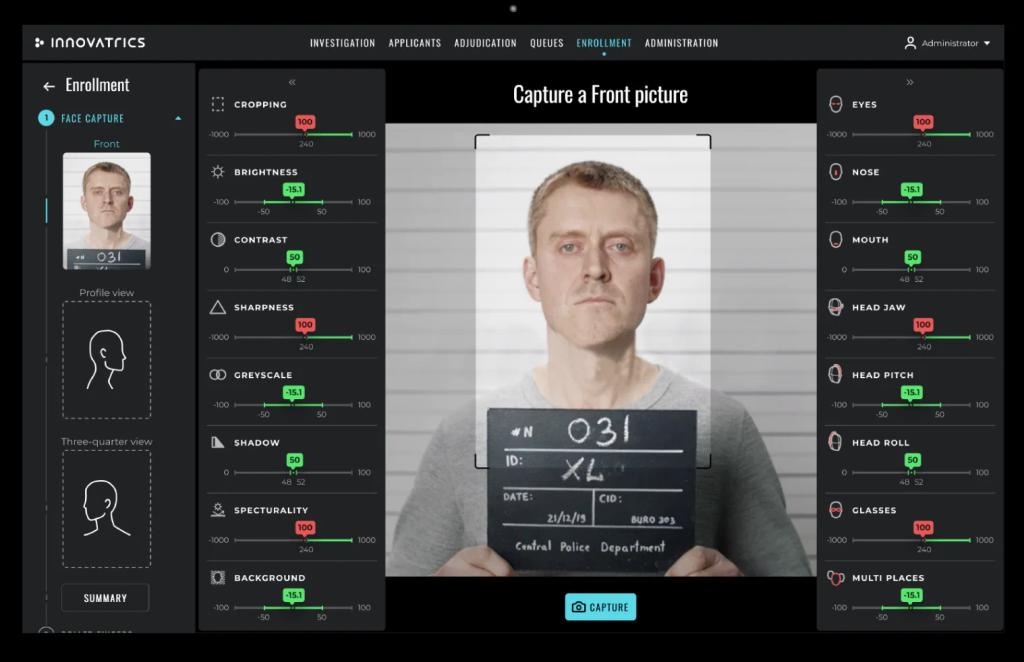
abis-face-capture
Facial recognition remains the most commonly used biometric identifier.

Soft biometrics include characteristics like height, weight, gait, and distinguishing physical features such as scars, marks, and tattoos (SMT). Unlike primary biometric traits, soft biometrics do not provide unique identification on their own but serve as valuable supplemental data points. SMT, in particular, offer long-term stability and uniqueness, making them highly effective in criminal investigations. Their integration into biometric databases in criminal ABIS strengthens law enforcement’s ability to track suspects, solve cases, and enhance forensic analysis.

This article explores the role of SMT in criminal ABIS, detailing how law enforcement agencies capture, store, and analyze these identifiers to improve public safety.

Defining Scars, Marks, and Tattoos

Scars, marks, and tattoos (SMT) are distinguishing physical characteristics that play a critical role in criminal investigations. Unlike facial features or fingerprints, these identifiers often provide unique details about an individual, making them valuable in forensic and biometric investigations.

Scars

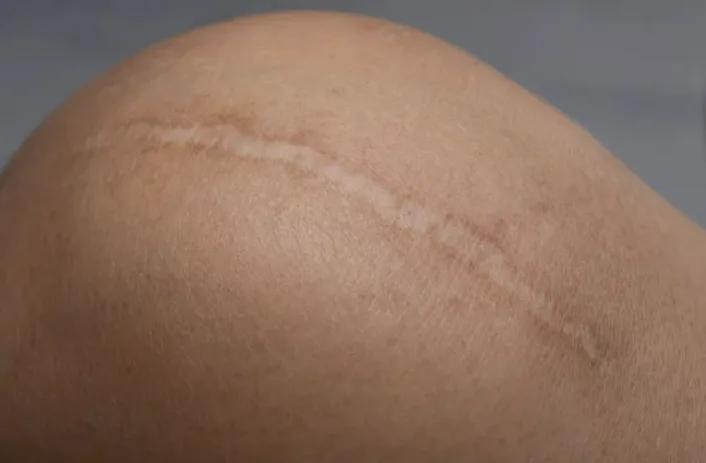
Scars form as a result of injuries, surgical procedures, or medical conditions. They vary in size, shape, and location, making them useful identifiers. Unlike facial features, scars do not change significantly over time, which makes them reliable for long-term identification.

abis-scars

Marks

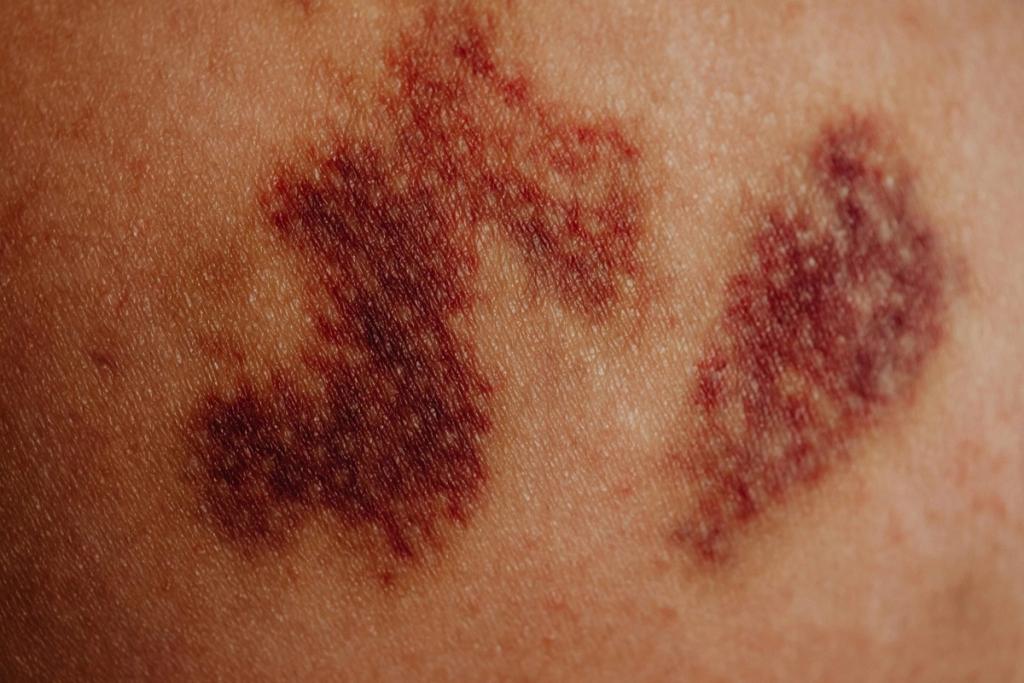
Marks include birthmarks, skin discolorations, moles, or other natural skin characteristics. These features are unique to individuals and often appear in the same location throughout life.

birth-mark

Tattoos

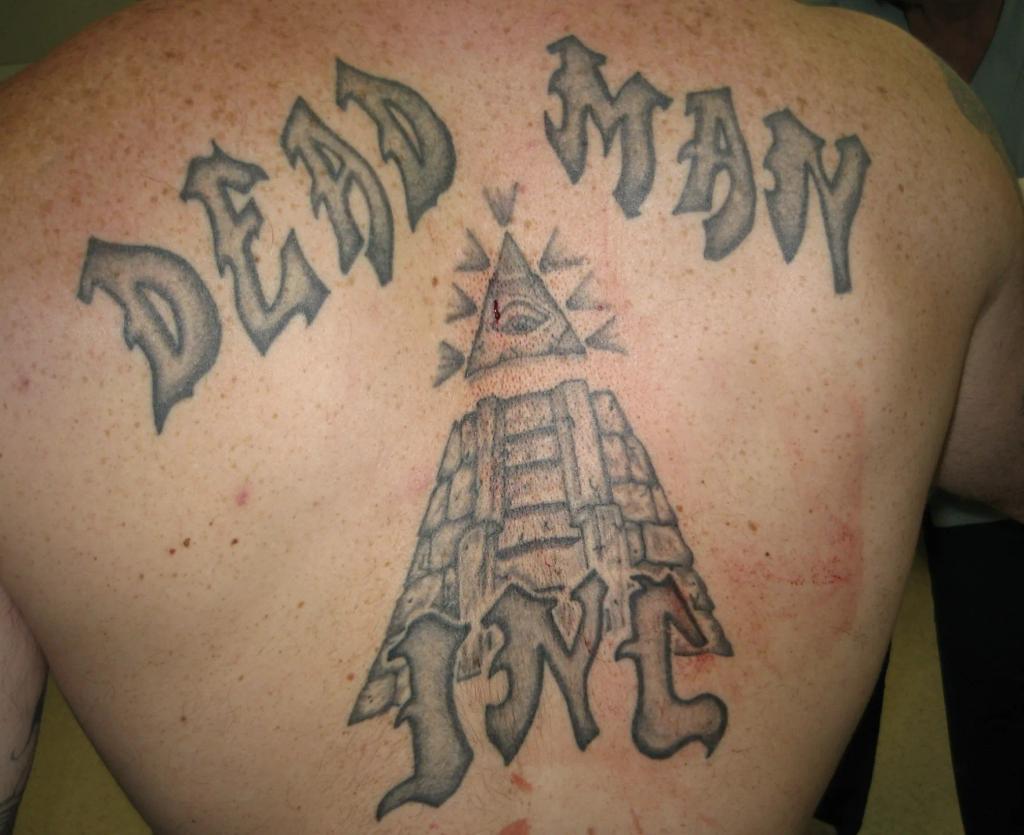
Tattoos are intentional body modifications that serve cultural, personal, or symbolic purposes. They can be highly detailed, making them useful for criminal identification. Law enforcement agencies regularly document tattoos, as they often provide insight into gang affiliations, criminal histories, or personal identities.

abis-tattoo

Why SMT Matter in Criminal Investigations?

SMT are among the most stable soft biometric identifiers used in criminal ABIS. Unlike facial features, which can change due to aging, weight fluctuations, or cosmetic procedures, scars, marks and tattoos remain relatively unchanged. This makes them valuable in long-term investigations and the identification of missing persons or unidentified remains.

Many criminals attempt to alter their fingerprints or wear disguises to avoid detection. However, removing scars or tattoos often leaves additional identifying marks, making them difficult to erase completely. Law enforcement agencies use SMT to:

  • Identify repeat offenders even when they alter other biometric traits.
  • Confirm the identity of suspects whose fingerprints or facial features are obscured.
  • Assist in victim identification when traditional biometrics are unavailable.

Criminals often operate across multiple regions. A suspect arrested in one jurisdiction may have a criminal record elsewhere. Criminals may also attempt to alter or obscure biometric traits such as fingerprints, but removing a distinct tattoo or scar is difficult and often leaves additional identifying marks. By including SMT in biometric databases, law enforcement agencies can link cases and identify individuals across different locations when accessing criminal ABIS.

Real-World Applications of SMT in Criminal Investigations

Scars, marks, and tattoos have been instrumental in solving crimes, identifying suspects, and linking cases across jurisdictions. Their permanence and uniqueness make them valuable tools in law enforcement investigations, particularly when other biometric data is unavailable or altered. By leveraging SMT data within ABIS, agencies can enhance their ability to track individuals, connect criminal activities, and close longstanding cases. Below are key areas where SMT identification plays a crucial role.

Identifying Gang Affiliations

Tattoos often indicate gang membership. By analyzing tattoo patterns, law enforcement can track criminal networks and predict potential threats.

Linking Cold Cases

Investigators use SMT data to reopen and solve cold cases. Matching an unidentified victim’s tattoos to an existing ABIS record can provide crucial leads.

International Crime Investigations

Interpol and other agencies use biometric identification to track fugitives across borders. SMT data enhances these efforts by providing additional identifiers beyond fingerprints and facial recognition.

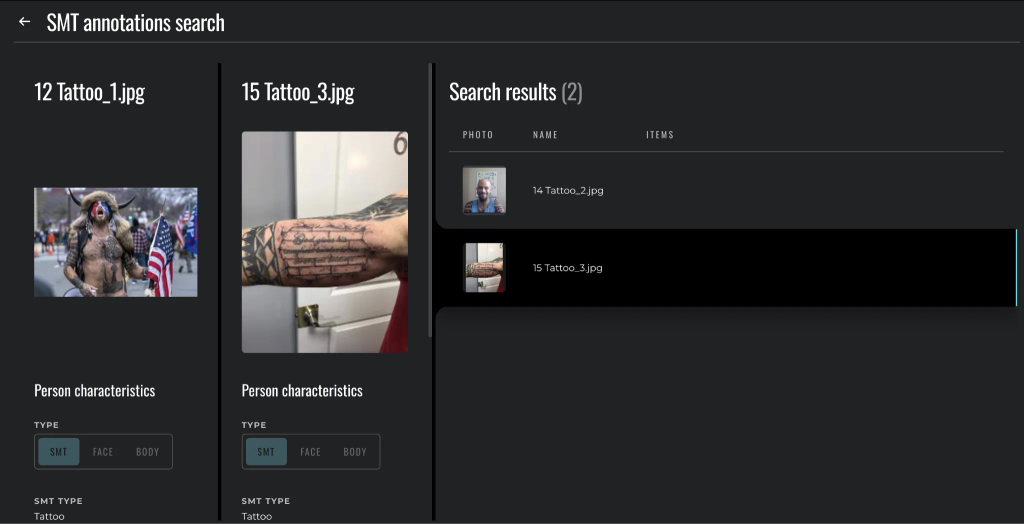
tattoo-search-results
Real-world application of tattoos identification in Criminal ABIS

Role of Scars, Marks, and Tattoos in Criminal ABIS

Automated Biometric Identification Systems (ABIS) have revolutionized the way law enforcement agencies process and analyze biometric data. By incorporating soft biometrics such as scars, marks, and tattoos into these systems, criminal ABIS can provide a more comprehensive approach to identification.

Inclusion of SMT in Biometric Database

Automated Biometric Identification Systems (ABIS) are designed to store and retrieve biometric data efficiently. Traditionally, ABIS databases have focused on fingerprints, facial recognition, and iris scans. However, the integration of SMT data significantly enhances identification accuracy.

Law enforcement agencies capture SMT data through high-resolution images and detailed descriptions. These records are stored in national and international biometric databases, enabling cross-jurisdictional identification. Some systems also incorporate metadata, such as tattoo descriptions, suspected gang affiliations, or known aliases, to enhance search capabilities.

Image Processing & Pattern Recognition

Advanced image processing and pattern recognition algorithms play a crucial role in biometric identification. Law enforcement agencies use software capable of analyzing tattoo patterns, recognizing unique scar formations, and categorizing birthmarks.

These systems apply artificial intelligence (AI) to:

  • Identify distinct tattoo styles and motifs.
  • Detect matching patterns across multiple records.
  • Enhance low-quality or incomplete images for accurate recognition.
  • Refine search results and improve accuracy over time, ensuring faster and more reliable matches.

Human Expertise vs. Automated Systems

While automated systems have greatly enhanced the speed and accuracy of biometric identification, human expertise remains essential. Trained forensic experts are often required to confirm matches or resolve ambiguities that automated systems may miss. For instance, a tattoo that has faded or been modified over time may require manual analysis to ensure accurate identification.

The combination of advanced technology and human oversight ensures that the identification process is both efficient and reliable. This collaborative approach maximizes the strengths of both systems, providing law enforcement with the best possible tools for solving crimes.

Forensic examiners work alongside AI-powered systems to:

  • Confirm or dispute potential matches flagged by ABIS.
  • Analyze partial or low-quality images that software may misinterpret.
  • Recognize subtle modifications in tattoos, including cover-ups or fading.
  • Strengthen the accuracy and reliability of criminal investigations.

Challenges and Limitations

Despite their many advantages, the use of scars, marks, and tattoos in biometric identification is not without challenges. Tattoo designs can change over time due to fading, cover-ups, or modifications, which can complicate the matching process. Poor image quality or incomplete documentation can also lead to inaccuracies in matching.

Criminals may attempt to obscure or alter their tattoos to avoid recognition. Common strategies include:

  • Cover-up tattoos that conceal original designs
  • Laser tattoo removal, which may leave faint scars
  • Ink additions that change the original meaning of a tattoo

Additionally, the diversity of cultural and linguistic tattoo patterns presents a unique challenge for criminal ABIS systems. Certain tattoo symbols carry different meanings across regions. For example, a symbol associated with one gang in the U.S. may have a different significance in another country. AI must be trained to recognize and interpret these cultural differences.

AI-driven recognition software must be continually updated to handle these variations and ensure accurate identification across different populations. Ongoing improvements in image processing and pattern recognition are essential to address these limitations and enhance the overall effectiveness of soft biometrics like SMT in criminal investigations.

Addressing these challenges requires ongoing improvements in AI-driven recognition systems and collaboration between law enforcement agencies.

The Future of SMT in Criminal ABIS

The future of biometric identification relies on continuous advancements in AI, machine learning, and database integration. Key developments include:

  • Improved AI Recognition: Enhanced algorithms will reduce false positives and improve accuracy.
  • Expanded Data Sharing: Increased collaboration between international agencies will strengthen cross-border identification efforts.
  • Real-Time Analysis: AI-powered systems will provide faster identification in active crime investigations.

Law enforcement agencies that invest in cutting-edge biometric solutions, including SMT recognition, will improve their ability to identify and apprehend criminals efficiently.

The Growing Importance of SMT in Criminal ABIS

The integration of scars, marks, and tattoos into biometric identification systems represents a significant advancement in law enforcement technology. By leveraging these unique identifiers, criminal ABIS systems can provide a more comprehensive and accurate approach to criminal identification. The combination of automated systems and human expertise ensures that law enforcement agencies have the tools they need to solve crimes efficiently and effectively.

As technology continues to evolve, the role of SMT in criminal ABIS will only grow in importance. By addressing current challenges and investing in ongoing improvements, law enforcement agencies can stay ahead of criminals and create a safer society. The future of biometric identification lies in the seamless integration of all available data, and SMT will undoubtedly play a key role in this evolution.

Deploying Criminal ABIS solutions that incorporate scars, marks, and tattoos is not just a technological upgrade—it’s a strategic move toward more effective crime-solving and public safety.

Send Us a Message

Share article:
  • Facebook
  • LinkedIn
  • X
  • Email
SOLUTIONS
  • Government ID & Phygital Identity
    • Biometric Platform for ID Issuance
    • Voter Management Platform
  • Criminal Justice & Law Enforcement
    • ABIS for Criminal Investigation
  • Border Control & Passenger Facilitation
    • Border Control Platform
    • Smart Corridors & eGates
  • Enterprise Identity Verification
    • Identity Verification Toolkit for Platforms
    • Enterprise Identity Verification Platform
    • Identity Verification Service
    • Identity Verification for System Integrators
  • Embedded Biometrics
  • Fingera - Time & Attendance Solution
  • Custom Projects
TECHNOLOGY
  • Core Biometric Tech
    • Fingerprint Recognition
    • Facial Recognition
    • Iris Recognition
    • Palm Recognition
  • Biometric Identity Verification
    • Face Verification
    • Age Estimation
    • Liveness Detection
    • Deepfake Detection
    • NFC Verification
    • Identity Document Verification
  • Insights Into the Technology of Trust
    • Building with Trust
    • Sharing Trust
    • Investigation with Trust
    • Trust the Vote
    • The Cost of Unfair AI
OTHERS
  • Resources
    • Case Studies
    • Downloads & Webinars
    • Events
    • Biometric Conference Series
    • Glossary
  • Company
    • About Us
    • News
    • Benchmarks & Certificates
    • Careers
    • Biometric Ventures
    • Our partners
  • EU Project
  • Contact Us
Innovatrics logo

Our passion for technology brings biometric benefits to millions of people.

    • Privacy Policy
    • Cookie Policy
    • Terms of Use

© 2026 Innovatrics. All rights reserved.